Complete Guide to Healthy Nail Care
Beautiful nails start with healthy nails. While perfectly polished manicures catch the eye, true nail beauty comes from proper care and maintenance. Healthy nails aren't just about aesthetics—they're an indicator of overall wellness and a foundation for any nail service or style you choose. Whether you're a manicure enthusiast or prefer natural nails, understanding how to keep your nails strong and healthy will help you maintain beautiful hands year-round.
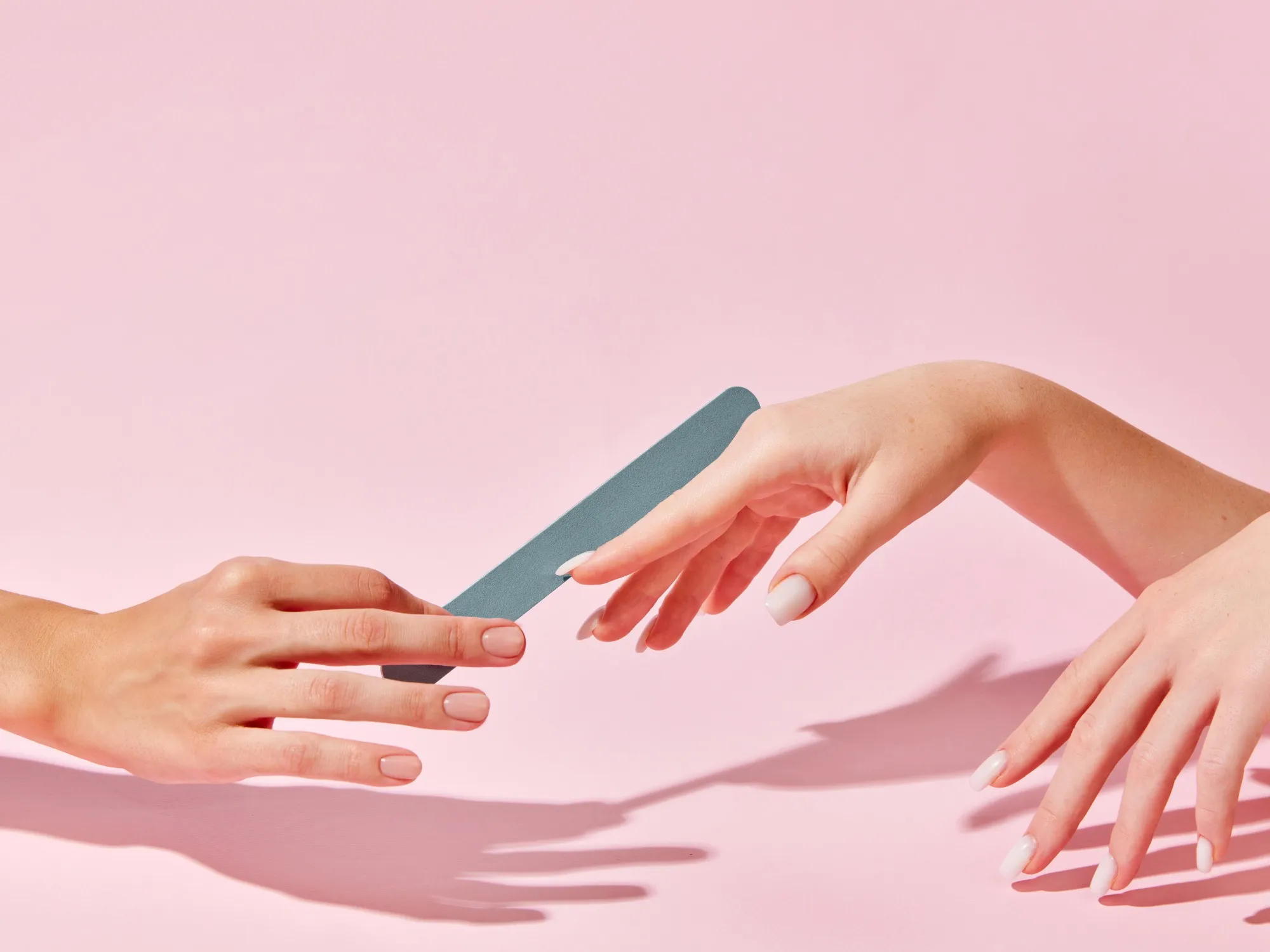
Why Nail Health Matters
Your nails do more than complete your look—they protect the sensitive tissue of your fingertips and serve as indicators of your body's nutritional status. Healthy nails are smooth, consistent in color, and free from spots or discoloration. When properly cared for, they grow steadily and resist breaking or peeling.
Signs of Healthy vs. Unhealthy Nails
Healthy nails exhibit several key characteristics. They're smooth with minimal ridging, have a consistent pink color in the nail bed, maintain slight flexibility without brittleness, and grow at a steady rate without splitting. The cuticles are intact and not inflamed.
Warning signs of unhealthy nails include yellowing or dark discoloration, excessive brittleness or peeling, deep ridges or grooves, white spots or lines, painful or inflamed cuticles, and abnormally slow or uneven growth. If you notice persistent problems, consult a healthcare provider to rule out underlying health conditions.
Essential Daily Nail Care Habits
Building a consistent nail care routine is the foundation of healthy nails. These simple daily practices make a significant difference in nail strength and appearance.
Proper Nail Hygiene
Keep your nails clean and dry to prevent bacteria and fungi from growing under them. Wash hands regularly with mild soap, and dry thoroughly—especially the areas under and around the nails. Avoid prolonged exposure to water, which can cause nails to soften and split. When nails stay wet for extended periods, they become vulnerable to infection and weakening.
Use a soft nail brush to gently clean under the nail tips, but avoid aggressive scrubbing that can separate the nail from the nail bed. After washing dishes or prolonged water exposure, take a moment to thoroughly dry your nails and apply moisturizer.
Moisturizing and Hydration
Just like your skin, your nails need consistent moisture. Apply hand cream or cuticle oil daily, paying special attention to the cuticle area and nail bed. The cuticle acts as a seal protecting the nail matrix—where nail growth occurs—so keeping this area moisturized prevents cracking and peeling.
For best results, moisturize after washing your hands and before bed. Look for products containing vitamin E, jojoba oil, or shea butter. Drinking adequate water also supports nail hydration from the inside out.
Nail Trimming and Filing Techniques
Trim nails regularly with clean, sharp nail clippers. Cut straight across, then round the tips gently to follow your finger's natural curve. This technique prevents ingrown nails and reduces the chance of snagging and tearing.
When filing, use a fine-grit file and move in one direction rather than sawing back and forth. The sawing motion can cause microscopic tears that lead to splitting and peeling. File when nails are dry—wet nails are more flexible and prone to damage during filing.
Nutrition for Strong, Healthy Nails
What you eat directly impacts your nail health. Nails are made of a protein called keratin, and they require specific nutrients to grow strong and healthy.
Key Vitamins and Minerals
Several nutrients play crucial roles in nail health:
- Biotin (Vitamin B7): Essential for nail strength and thickness. Studies show biotin supplementation can improve brittle nails.
- Protein: The building block of keratin. Inadequate protein intake leads to weak, slow-growing nails.
- Iron: Prevents ridging and brittleness. Iron deficiency often shows up in nail health before other symptoms appear.
- Zinc: Supports nail tissue growth and repair. White spots on nails can sometimes indicate zinc deficiency.
- Omega-3 Fatty Acids: Help moisturize nails from within and prevent brittleness.
- Vitamin E: Protects nails from oxidative stress and promotes circulation to the nail bed.
Foods That Promote Nail Health
Incorporate these nail-friendly foods into your diet: eggs (rich in biotin and protein), salmon and fatty fish (omega-3s and vitamin D), nuts and seeds (zinc and selenium), leafy greens (iron and folate), beans and legumes (protein and biotin), sweet potatoes (vitamin A for cell production), and berries (antioxidants and vitamin C for collagen production).
A balanced diet that includes these foods regularly provides the nutrients your nails need to grow strong. While supplements can help, getting nutrients from whole foods is generally more effective.
Protecting Your Nails from Damage
Prevention is easier than repair when it comes to nail damage. Taking a few protective measures can save your nails from common sources of harm.
During Household Activities
Wear gloves when cleaning, washing dishes, or working with chemicals. Household cleaners, detergents, and even prolonged water exposure strip away natural oils and weaken nails. Rubber gloves with cotton liners offer the best protection while keeping your hands comfortable.
Never use your nails as tools to scratch, pry, or open things. This common habit causes significant stress to the nail plate and can lead to splitting, breaking, or separation from the nail bed.
Between Manicure Appointments
If you regularly get manicures, give your nails occasional breaks between treatments. This recovery time allows them to restore their natural oils and strength. During break periods, use a nourishing nail treatment or simply keep nails clean, trimmed, and moisturized.
When removing nail polish, use acetone-free removers when possible, as acetone can be drying. Always follow polish removal with moisturizer to replenish hydration.
Seasonal Nail Care
Adjust your nail care routine with the seasons. Winter's cold, dry air requires extra moisturizing—apply cuticle oil multiple times daily and wear gloves outdoors. Summer's sun exposure can dry nails, so continue regular moisturizing and consider wearing gloves during extended outdoor activities like gardening.
Healthy Practices for Manicure Lovers
Professional manicures can absolutely be part of a healthy nail care routine when done correctly. The key is choosing services and practices that prioritize nail health.
Choosing Nail-Friendly Services
Select a reputable salon that follows proper sanitation practices and employs skilled technicians. At Queen B West, our nail specialists are trained in techniques that protect nail health while delivering beautiful results. Look for salons that sterilize tools between clients, use proper techniques for cuticle care, and offer high-quality products.
During your manicure, avoid aggressive cuticle cutting. The cuticle protects your nails from infection, so it should be gently pushed back rather than cut away. If you notice your technician using harsh techniques or if services cause pain, speak up—proper nail care should never hurt.
Recovery Time Between Treatments
How often you can safely get manicures depends on the type of service and your nail health. For regular polish manicures, once a week is generally fine. For more intensive services like gel or acrylic, consider spacing appointments two to three weeks apart, and take a complete break every few months to let nails breathe and recover.
During recovery periods, focus on hydration and nourishment. Use nail strengtheners if needed, but avoid products with formaldehyde, which can make nails more brittle over time.
Gel vs. Acrylic: What's Better for Nail Health?
Both gel and acrylic manicures have pros and cons for nail health. The best choice depends on your natural nail condition and lifestyle. Learn more about gel vs acrylic options to understand which service suits your needs and how to maintain nail health with each type. Generally, gel is less damaging during application, while proper removal technique is crucial for both types to prevent nail damage.
Common Nail Problems and Solutions
Even with excellent care, you may encounter occasional nail issues. Understanding common problems helps you address them quickly.
Brittle and Peeling Nails
Brittle nails that crack or peel in layers are often caused by repeated wetting and drying, harsh chemicals, or nutritional deficiencies. Solutions include minimizing water exposure by wearing gloves, applying rich moisturizers or nail oils multiple times daily, taking biotin supplements after consulting with your doctor, and avoiding harsh nail polish removers.
If brittleness persists despite these measures, consult a healthcare provider about possible thyroid issues or nutritional deficiencies.
Discoloration
Yellow nails can result from nail polish stains, smoking, or fungal infections. To address staining, always use a base coat under colored polish, and give nails polish-free breaks. For yellowing that doesn't improve with breaks from polish, see a healthcare provider to rule out fungal infection or other underlying conditions.
White spots are usually caused by minor trauma to the nail matrix and will grow out naturally. Persistent white spots, lines, or other discolorations should be evaluated by a professional.
Nail Fungus Prevention
Fungal infections can be stubborn and difficult to treat, making prevention crucial. Keep nails clean and dry, avoid sharing nail tools or polish, ensure salon tools are properly sterilized, wear breathable footwear, and treat any signs of infection immediately.
If you notice thickening, discoloration, crumbling, or separation of the nail, see a healthcare provider promptly. Early treatment is more effective than addressing advanced infections.
Frequently Asked Questions About Nail Health
How long does it take to grow healthy nails?
Nails grow approximately 3-4 millimeters per month, meaning it takes about six months for a fingernail to completely replace itself. You'll typically notice improvements in nail strength and appearance within 4-6 weeks of starting a proper care routine, but fully restoring damaged nails takes several months of consistent care.
Can damaged nails be repaired?
Yes, most damaged nails can improve significantly with proper care. Focus on gentle handling, consistent moisturizing, adequate nutrition, and avoiding further damage. Severely damaged nails may take several months to fully recover, as you're essentially waiting for healthy new nail growth to replace the damaged portion.
How often should I get a manicure?
For regular polish manicures, every 1-2 weeks is safe. For gel or acrylic services, every 2-3 weeks is appropriate, with breaks every 2-3 months. Listen to your nails—if they seem weak or damaged, extend the time between services.
Are gel manicures bad for nail health?
Gel manicures aren't inherently bad, but improper application or removal can damage nails. The key is choosing a skilled technician who uses proper techniques and products. Always have gel removed professionally rather than peeling it off, which can strip layers from your nail plate.
What causes ridges in nails?
Vertical ridges are usually a normal part of aging and become more prominent over time. Horizontal ridges can indicate illness, injury, or nutritional stress during nail growth. Deep or sudden ridging should be evaluated by a healthcare provider.
Should I let my nails "breathe" without polish?
Nails don't breathe—they receive oxygen and nutrients from the blood supply beneath the nail bed, not through the nail plate itself. However, taking breaks from polish allows you to assess nail health, apply treatments directly, and prevent staining. It's a good practice even though the "breathing" concept is a myth.
Do nail hardeners work?
Nail hardeners can provide temporary strengthening, but use them cautiously. Products containing formaldehyde can make nails brittle over time. Look for formaldehyde-free strengtheners and use them only as needed, not as a permanent solution. Addressing the underlying cause of weak nails (nutrition, hydration, gentle care) is more effective long-term.
Professional Nail Care at Queen B West
At Queen B West in West Hollywood, we believe beautiful nails start with healthy nails. Our experienced nail technicians combine artistry with proper nail care techniques to deliver stunning results that don't compromise your nail health. Whether you prefer natural nails or regular manicures, we provide personalized consultations to help you maintain strong, healthy nails.
We use high-quality products, follow strict sanitation protocols, and stay current with nail care best practices. Our team can assess your nail health, recommend appropriate services, and provide guidance on at-home care between appointments. From classic manicures to gel services, every treatment is performed with your nail health as a priority.
Ready to experience professional nail care that prioritizes health and beauty? Book your appointment at Queen B West today and discover the difference that expert care makes. Your nails deserve the best—let us help you achieve and maintain the healthy, beautiful nails you want.